exhibitions
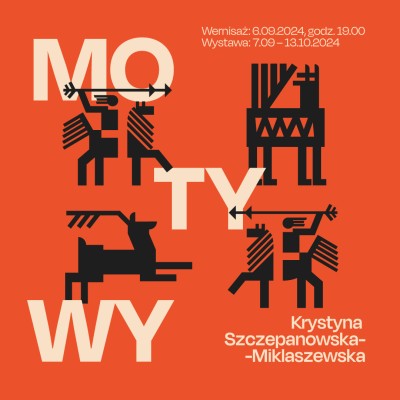
Motifs: Krystyna Szczepanowska-Miklaszewska
Motifs: Krystyna Szczepanowska-Miklaszewska
Opening: 6 September 2024, 7:00 pm
Exhibition: 7 September–13 October 2024
Arton Foundation
Foksal 11/4, Warsaw
Curator: Marika Kuźmicz
Cooperation: Sunniva Szczepanowska-Lay and Adam Parol
Display, visual identity: Łukasz Izert
“She shaped her environment, and radiated widely.” This is how Magdalena Abakanowicz recalled Krystyna Szczepanowska-Miklaszewska. Despite the nearly 20-year age difference between them, they studied together at the Warsaw Academy of Fine Arts.
Krystyna Szczepanowska was born in Borysław, Poland (now Boryslav, Ukraine), and spent her childhood and youth in Lwów (Lviv). Her first weaving instructors were her aunts Eleonora Plutyńska and Wanda Szczepanowska. Krystyna then studied at Lwów’s polytechnic and institute of fine arts (1934–1939). She also completed a degree at the Warsaw Academy of Fine Arts in 1961, when it proved necessary for her to hold a diploma issued in the Polish People’s Republic.
Raised in a patriotic Polish family with artistic and scholarly traditions, Krystyna rescued numerous family heirlooms, including artworks, from wartime destruction. She was the last caretaker of the Szczepanowski home in Lwów, and when the home was seized by the staff of the Red Army, she led the evacuation.
She reached Warsaw, where she joined the underground, and then, under the pseudonym “Klementyna,” fought in the Warsaw Uprising (unarmed, as she always stressed). After the uprising was put down, she was imprisoned at the Lamsdorf POW camp, and later at Zeithain. There, despite the tough conditions, she organized lectures for her fellow prisoners on art history and literature. When the camp was liberated, she returned to Warsaw. She was connected with the capital for the rest of her life, dividing her time between Warsaw and Zakopane, where she worked as the artistic director of the Peasant Self-Help Cooperative, forerunner of the local Cepelia workshop. Her duties there included designing and overseeing production of textiles. At that time she studied the traditional folk motifs from the mountainous Podhale region and adapted them for production for contemporary decorative textiles. When she returned to Warsaw in 1950, the workshop was headed by Maria Bujakowa, whom Szczepanowska knew from her time in Lwów. She continued to pursue her interest in the art of Podhale, working with Wanda Telakowska at the Industrial Design Institute (1950–1957).
Szczepanowska-Miklaszewska was also a teacher. She taught at the vocational school in Zakopane (which later became the Helena Modrzejewska Technical School of Artistic Weaving), where she created the curriculum for textile technicians, and also developed the theoretical foundation for manufacturing kilims at Cepelia.
Meanwhile, throughout her professional career, Szczepanowska-Miklaszewska also designed unique, one-off textile pieces. Transposing folk motifs, mainly from Podhale, she created abstract and even metaphorical textile forms. Her works were shown at numerous exhibitions in Poland and abroad, and won many prizes.
The artist’s archive also reveals Szczepanowska-Miklaszewska to have been a talented illustrator and graphic artist. The exhibition at the Arton Foundation inaugurates the elaboration and digitization of this resource.
Subsidized by the Ministry of Culture and National Heritage from the Fund for Promotion of Culture
Project co-financed by the City of Warsaw
Opening: 6 September 2024, 7:00 pm
Exhibition: 7 September–13 October 2024
Arton Foundation
Foksal 11/4, Warsaw
Curator: Marika Kuźmicz
Cooperation: Sunniva Szczepanowska-Lay and Adam Parol
Display, visual identity: Łukasz Izert
“She shaped her environment, and radiated widely.” This is how Magdalena Abakanowicz recalled Krystyna Szczepanowska-Miklaszewska. Despite the nearly 20-year age difference between them, they studied together at the Warsaw Academy of Fine Arts.
Krystyna Szczepanowska was born in Borysław, Poland (now Boryslav, Ukraine), and spent her childhood and youth in Lwów (Lviv). Her first weaving instructors were her aunts Eleonora Plutyńska and Wanda Szczepanowska. Krystyna then studied at Lwów’s polytechnic and institute of fine arts (1934–1939). She also completed a degree at the Warsaw Academy of Fine Arts in 1961, when it proved necessary for her to hold a diploma issued in the Polish People’s Republic.
Raised in a patriotic Polish family with artistic and scholarly traditions, Krystyna rescued numerous family heirlooms, including artworks, from wartime destruction. She was the last caretaker of the Szczepanowski home in Lwów, and when the home was seized by the staff of the Red Army, she led the evacuation.
She reached Warsaw, where she joined the underground, and then, under the pseudonym “Klementyna,” fought in the Warsaw Uprising (unarmed, as she always stressed). After the uprising was put down, she was imprisoned at the Lamsdorf POW camp, and later at Zeithain. There, despite the tough conditions, she organized lectures for her fellow prisoners on art history and literature. When the camp was liberated, she returned to Warsaw. She was connected with the capital for the rest of her life, dividing her time between Warsaw and Zakopane, where she worked as the artistic director of the Peasant Self-Help Cooperative, forerunner of the local Cepelia workshop. Her duties there included designing and overseeing production of textiles. At that time she studied the traditional folk motifs from the mountainous Podhale region and adapted them for production for contemporary decorative textiles. When she returned to Warsaw in 1950, the workshop was headed by Maria Bujakowa, whom Szczepanowska knew from her time in Lwów. She continued to pursue her interest in the art of Podhale, working with Wanda Telakowska at the Industrial Design Institute (1950–1957).
Szczepanowska-Miklaszewska was also a teacher. She taught at the vocational school in Zakopane (which later became the Helena Modrzejewska Technical School of Artistic Weaving), where she created the curriculum for textile technicians, and also developed the theoretical foundation for manufacturing kilims at Cepelia.
Meanwhile, throughout her professional career, Szczepanowska-Miklaszewska also designed unique, one-off textile pieces. Transposing folk motifs, mainly from Podhale, she created abstract and even metaphorical textile forms. Her works were shown at numerous exhibitions in Poland and abroad, and won many prizes.
The artist’s archive also reveals Szczepanowska-Miklaszewska to have been a talented illustrator and graphic artist. The exhibition at the Arton Foundation inaugurates the elaboration and digitization of this resource.
Subsidized by the Ministry of Culture and National Heritage from the Fund for Promotion of Culture
Project co-financed by the City of Warsaw
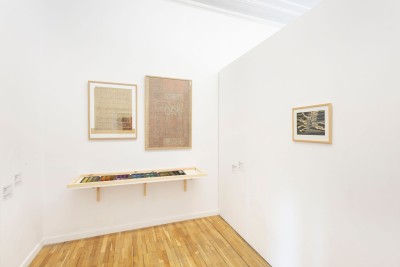
View of the exhibition "Motifs. Krystyna Szczepanowska-Miklaszewska"
Alexander Kot-Zaitsau
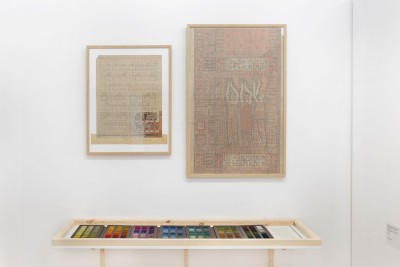
View of the exhibition "Motifs. Krystyna Szczepanowska-Miklaszewska"
Alexander Kot-Zaitsau
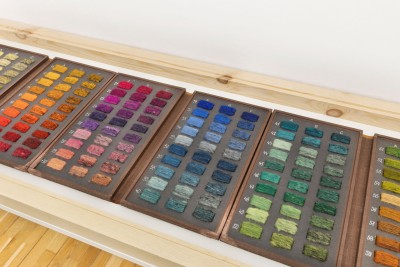
View of the exhibition "Motifs. Krystyna Szczepanowska-Miklaszewska"
Alexander Kot-Zaitsau
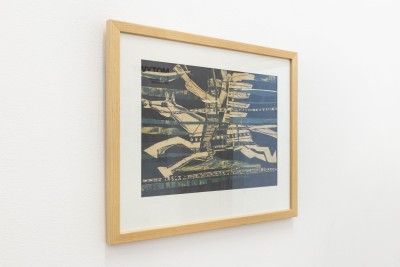
View of the exhibition "Motifs. Krystyna Szczepanowska-Miklaszewska"
Alexander Kot-Zaitsau
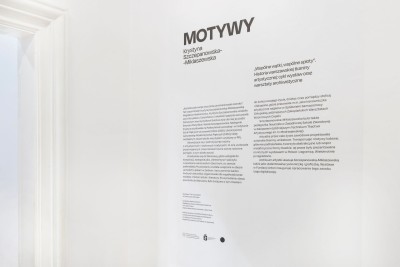
View of the exhibition "Motifs. Krystyna Szczepanowska-Miklaszewska"
Alexander Kot-Zaitsau
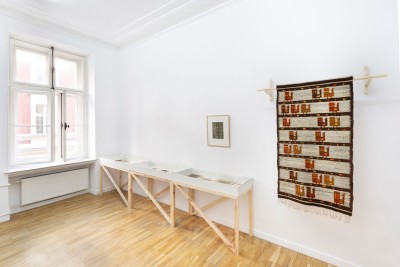
View of the exhibition "Motifs. Krystyna Szczepanowska-Miklaszewska"
Alexander Kot-Zaitsau
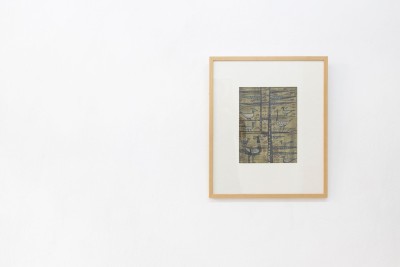
View of the exhibition "Motifs. Krystyna Szczepanowska-Miklaszewska"
Alexander Kot-Zaitsau
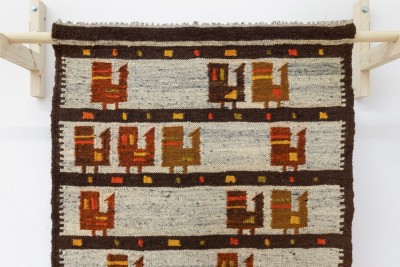
View of the exhibition "Motifs. Krystyna Szczepanowska-Miklaszewska"
Alexander Kot-Zaitsau
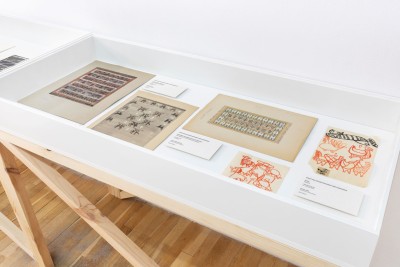
View of the exhibition "Motifs. Krystyna Szczepanowska-Miklaszewska"
Alexander Kot-Zaitsau
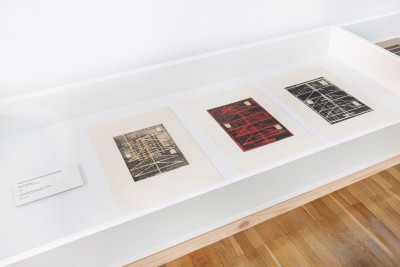
View of the exhibition "Motifs. Krystyna Szczepanowska-Miklaszewska"
Alexander Kot-Zaitsau
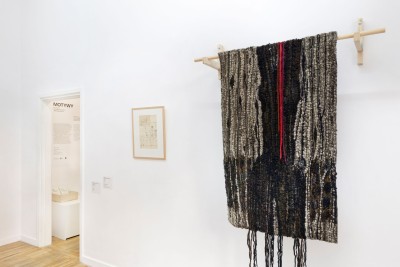
View of the exhibition "Motifs. Krystyna Szczepanowska-Miklaszewska"
Alexander Kot-Zaitsau
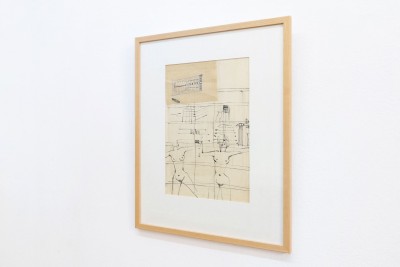
View of the exhibition "Motifs. Krystyna Szczepanowska-Miklaszewska"
Alexander Kot-Zaitsau
Other exhibitions
-
 exhibitions
Natural Situations: Agnieszka Niziurska
-
 exhibitions
Parts. Zofia Glazer-Rudzińska
-
 exhibitions
Social History. 70 years of the gallery at Rynek Starego Miasta 2
-
 exhibitions
70th Anniversary of the Gallery at the Old Town Cultural Centre
-
 exhibitions
Such Was My Dream. Joanna Stańko
-
 exhibitions
Barbara Maroń. A Story Within a Story
-
 exhibitions
Applied Herstories: Irena Huml
-
 exhibitions
Grown in Love: Liliana Mikołajewska-Jansen
-
 exhibitions
Mirrors and Screens: Małgorzata Potocka, Jagoda Kaloper
-
 exhibitions
Places for Deliberation. Barbara Kozłowska
-
 exhibitions
Małgorzata Rittersschild. The Lizard Means Short-Lived Happiness
-
 exhibitions
Beyond Documentation Imaginations Emerge. Anna and Krystian Jarnuszkiewicz
-
 exhibitions
Presence. Maria Michałowska
-
 exhibitions
Argentine Experiment: CAyC and CSSR
-
 exhibitions
Jolanta Owidzka. I Wouldn’t Dare Walk on a Work of Art
-
 exhibitions
Open Jagoda Przybylak Studio
-
 exhibitions
Jagoda Przybylak: "... must see"
-
 exhibitions
Maria Michałowska: At the End of This Road I Might Find a Mirror exhibition
-
 exhibitions
Looking Into The Sun. Hanna Orzechowska
-
 exhibitions
You Will Hear When You See Me
-
 exhibitions
Jagoda Przybylak: “... must see”
-
 exhibitions
Ties and Threads: Herstories of Eleonora Plutyńska
-
 exhibitions
The less work, the better effect. Liliana Lewicka
-
 exhibitions
Anna Buczkowska
-
 exhibitions
Wspólny splot
-
 exhibitions
Hanna Orzechowska. W relacji / In relation
-
 exhibitions
wystawa Pawła Kwieka "Zrobić niemożliwe światło"
-
 exhibitions
Małgorzata Potocka
-
 exhibitions
P.S. Warunkiem uczestnictwa jest praca twórcza. Mikrohistorie plenerow w Osiekach
-
 exhibitions
Who is Janina Węgrzynowska?
-
 exhibitions
Anna Ciba: When You Look Into My Eyes, What Do You See?
-
 exhibitions
Małgorzata Potocka. We Don’t Need Other Words When We Have Mirrors
-
 exhibitions
Zdzisław Jurkiewicz. Sun in the Kitchen
-
 exhibitions
CLICK. Sexualisation of Food in Art
-
 exhibitions
Andrij Bojarov / Андрій Бояров: Koło i kula / Коло і куля
-
 exhibitions
Tapta
-
 exhibitions
Sisters: Alicja & Bożena Wahl
-
 exhibitions
Zdzisław Jurkiewicz. Occurrences
-
 exhibitions
Three Things I Love in Life: the Car, Liquor, and Sailors
-
 exhibitions
Phony Smile. Language of Aesthetic Speculation in Croatian Photography
-
 exhibitions
Exhibition Laboratory of Presentation Techniques
-
 exhibitions
Barbara Kozłowska. Linia
-
 exhibitions
Barbara Kozłowska. You Can See It All Anywhere
-
 exhibitions
Soft shooting? Introducing the History of Women’s Photography in Croatia
-
 exhibitions
Out in the Fresh Air? Early Ecological Projects during Artistic Plein-Airs in Poland
-
 exhibitions
At The Worlds Table. Zdzisław Jurkiewicz
-
 exhibitions
The Case of Jadwiga S.
-
 exhibitions
IN. Ludmiła Popiel i Jerzy Fedorowicz
-
 exhibitions
Womens Art, Iwona Lemke-Konart
-
 exhibitions
Paweł Kwiek. Time Difference
-
 exhibitions
Formy nikłe. Ludmiła Popiel & Jerzy Fedorowicz
-
 exhibitions
Nie mów, że urodziłeś się w złym czasie
-
 exhibitions
1: 11 Microstories
-
 exhibitions
I lay and fly away
-
 exhibitions
Wystawa Jolanty Marcolli w BWA Zielona Góra
-
 exhibitions
Ja to ktoś inny / Bruce Nauman / Krzysztof Niemczyk
-
 exhibitions
Video Killed The TV Star
-
 exhibitions
If you dont know me by now, you will never never never know me
-
 exhibitions
Arton Review Europe - exhibition and film screening
-
 exhibitions
Ludmiła Popiel
-
 exhibitions
Doing the Impossible Light
-
 exhibitions
Jolanta Marcolla. A Room of One’s Own
-
 exhibitions
across realities Wojciech Bruszewski / Mateusz Sadowski
-
 exhibitions
Andrzej Jórczak. Looking at Alpha Ursae
-
 exhibitions
6 meters before Paris - Eustachy Kossakowski
-
 exhibitions
Polska Fotografia Konceptualna
-
 exhibitions
Conceptualism. Photographic medium.
-
 exhibitions
Barbara Kozłowska Wszystko to możesz zobaczyć gdziekolwiek
-
 exhibitions
Zdarzenia. Zdzisław Jurkiewicz